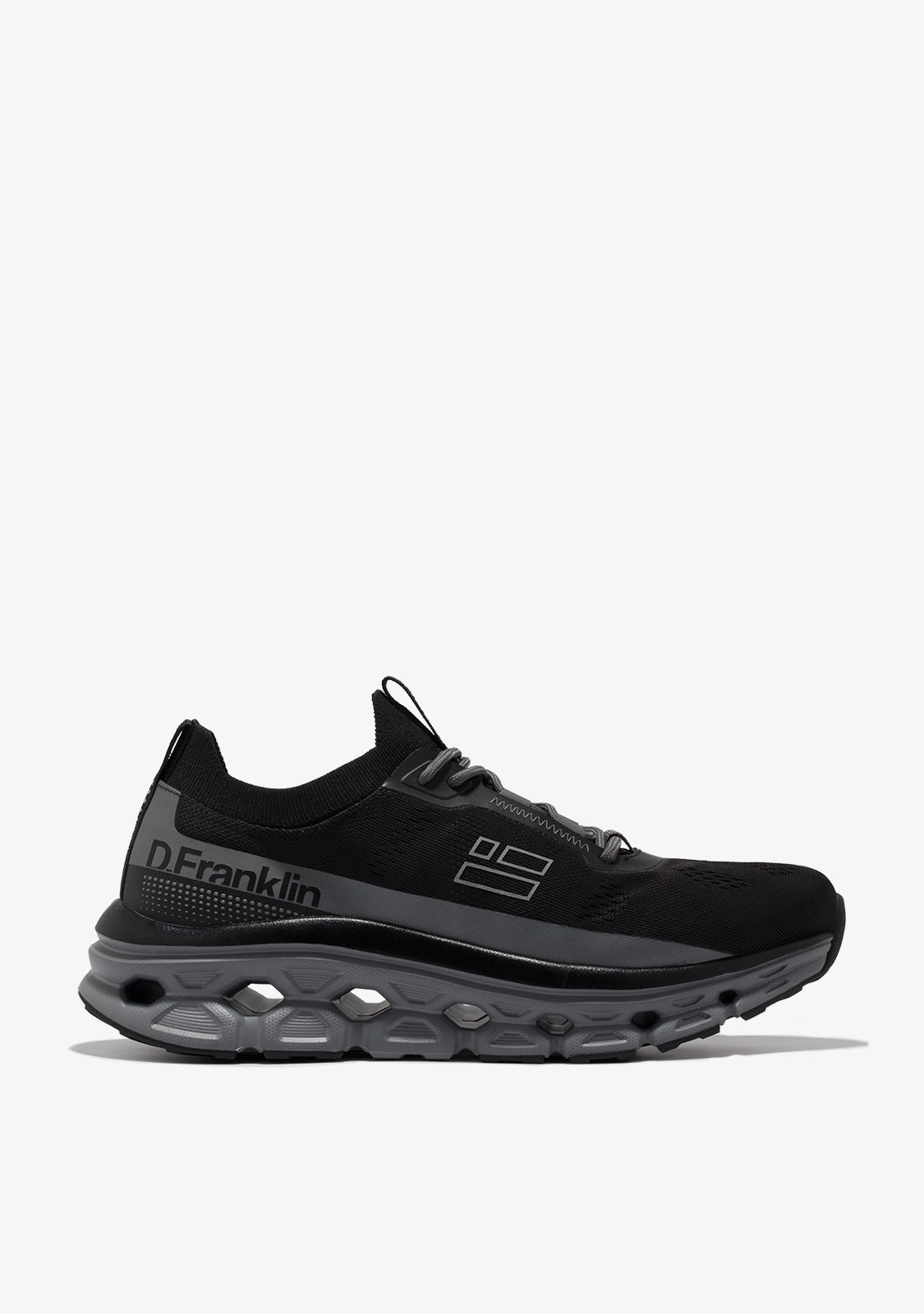
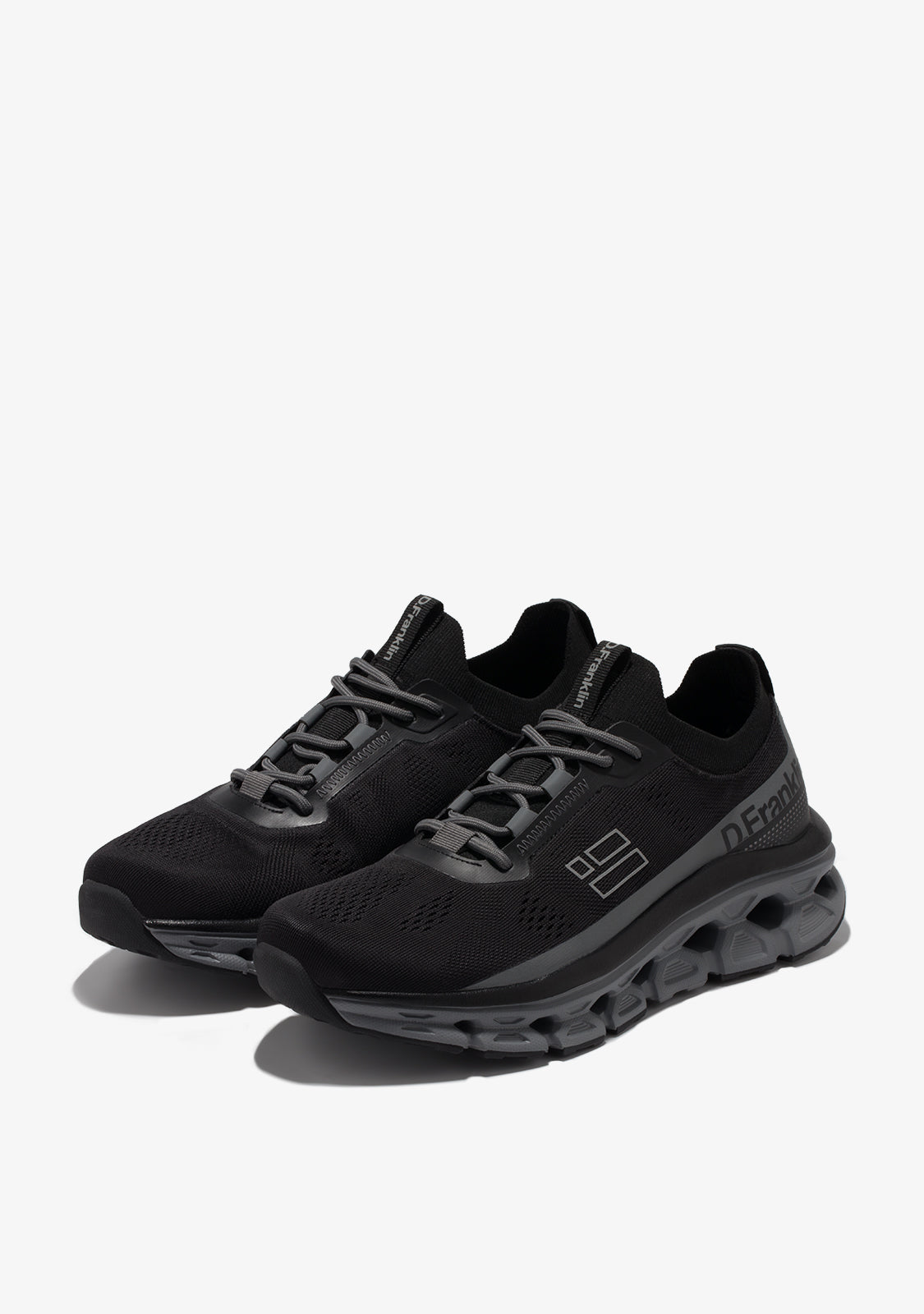
Aero Men
Aero Men
AERO by D.Franklin Athletic combines a running-inspired profile with lace adjustment and a substantial sole. The Mesh designs described for running use textile uppers and dual-density foam; compare the specifications of your chosen variant rather than assuming every finish has the same construction.
Read moreRead less
Urban Footwear and Running Designs
For training, choose a design that expressly states that use and compare its features with your activity and intended surface. For outfits, you can prioritise profile, panels and colour. Sports footwear covers different proposals; the category name does not replace checking their intended use.
How to wear them with your trousers
With chinos or simple clothing, choose neutral colours or create contrast through textures and finishes. Check the hem length so the footwear’s silhouette remains visible without fabric dragging on the ground.
With wide trousers: check that the hem does not hide the whole trainer or drag on the ground.
Combining Proportions
Substantial soles contrast with simple clothing, while more restrained profiles leave the trousers more prominent. With jeans, dresses or loose garments, check where the hem finishes and that it does not drag. Repeating one trainer colour in a garment connects the outfit without matching every shade.
Sizing and Material Care
Measure both feet and compare the longer one with the design's guide, wearing your intended socks. Adjust laces without compressing the instep and walk to check heel and toe space. Clean each panel according to its material and instructions; use a washing machine only where expressly permitted.
To compare further silhouettes, explore our trainers · women's trainers · men's trainers.
What to Compare Before Choosing
Stated use: training, journeys or urban outfits.
Size measurements and room with your usual socks.
Heel hold and lace adjustment.
Panel materials and cleaning method.
Compare related collections
Frequently asked questions
Are all sports shoes suitable for running?
No. This category brings together different uses and designs. For running, look for a model that states that activity and assess its construction for your intended surface. A sporty look and a thick sole are not enough to select training footwear.
How do sports shoes differ from sneakers?
The terms can overlap. Sneakers often refers to casual footwear, while sports shoes can also include designs for a specific activity. Choose by the pair's stated use and fit rather than the category name alone.
How do I choose shoes for walks or travel?
Try the pair with your socks and walk several steps. Check that the heel does not move excessively, toes have room and laces hold without pressure. Choose by that fit; no design guarantees the same comfort for everyone.
Does a thicker sole always provide more cushioning?
Height alone cannot establish this. Materials and construction affect how the sole behaves. Compare the design's information and intended use without treating visual volume as a measure of performance.
Can I choose my usual shoe size?
Use it as a starting point and compare it with the design's guide. Interior shape, length and sock space can vary. Do not compensate for incorrect length by overtightening the laces.
How do I clean trainers with several materials?
Remove surface dirt first and use the stated method for each finish. For a stain, test a compatible product in an inconspicuous area. Dry according to the instructions and avoid direct heat sources.