
You may also like
Women's Aviator Sunglasses
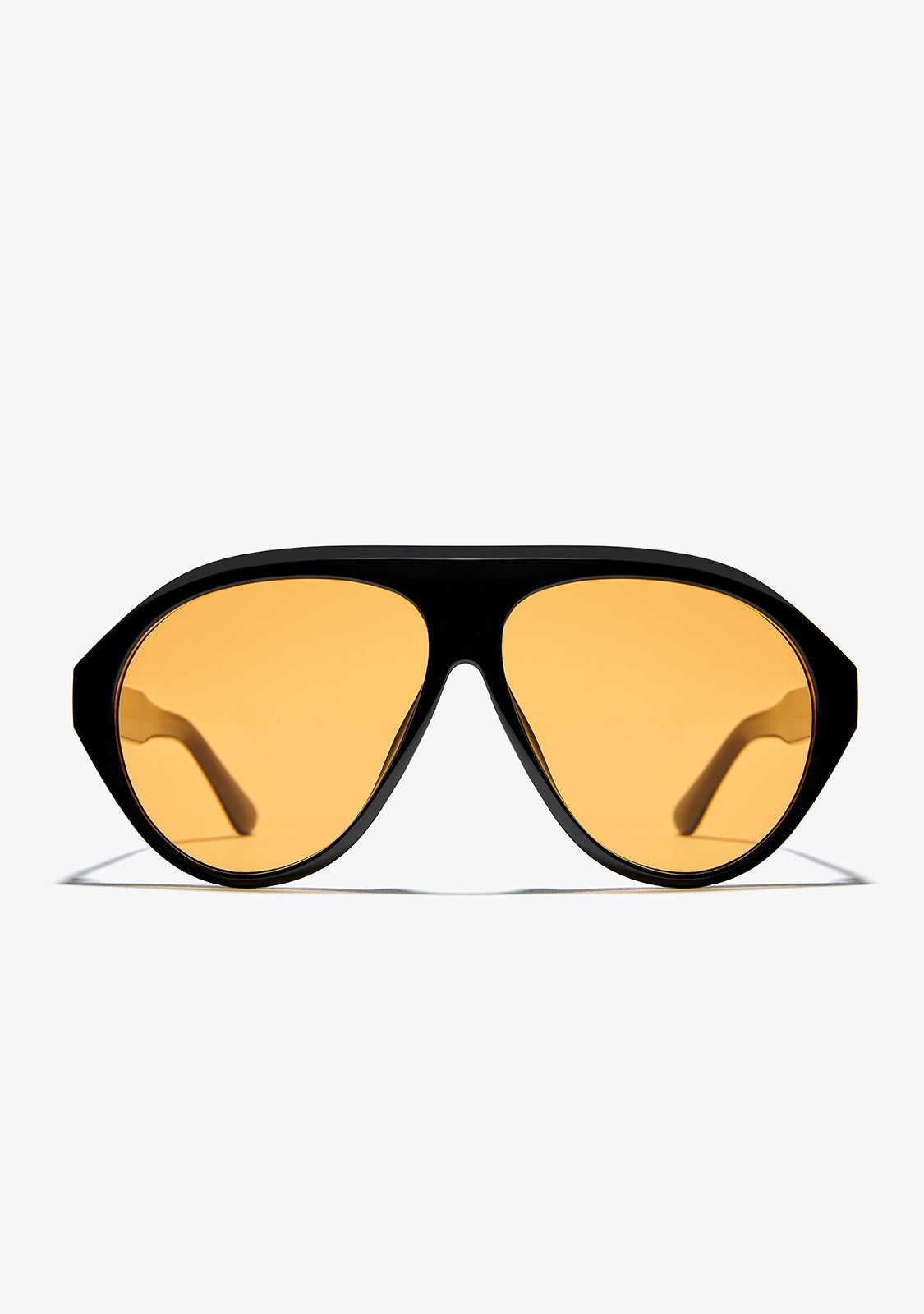
The D.Franklin Aviator selection lets you compare different interpretations of the pilot-inspired look. Look at the bridge, upper rim and lens proportions to choose a more curved or angular effect, then check how the frame sits on your face.
Read moreRead less
The classic aviator shape, updated
Aviator styling is defined by the relationship between lenses, bridge and upper frame line. Designs can have curved or more angular outlines. The collection name does not mean every frame is lightweight or made from the same material.
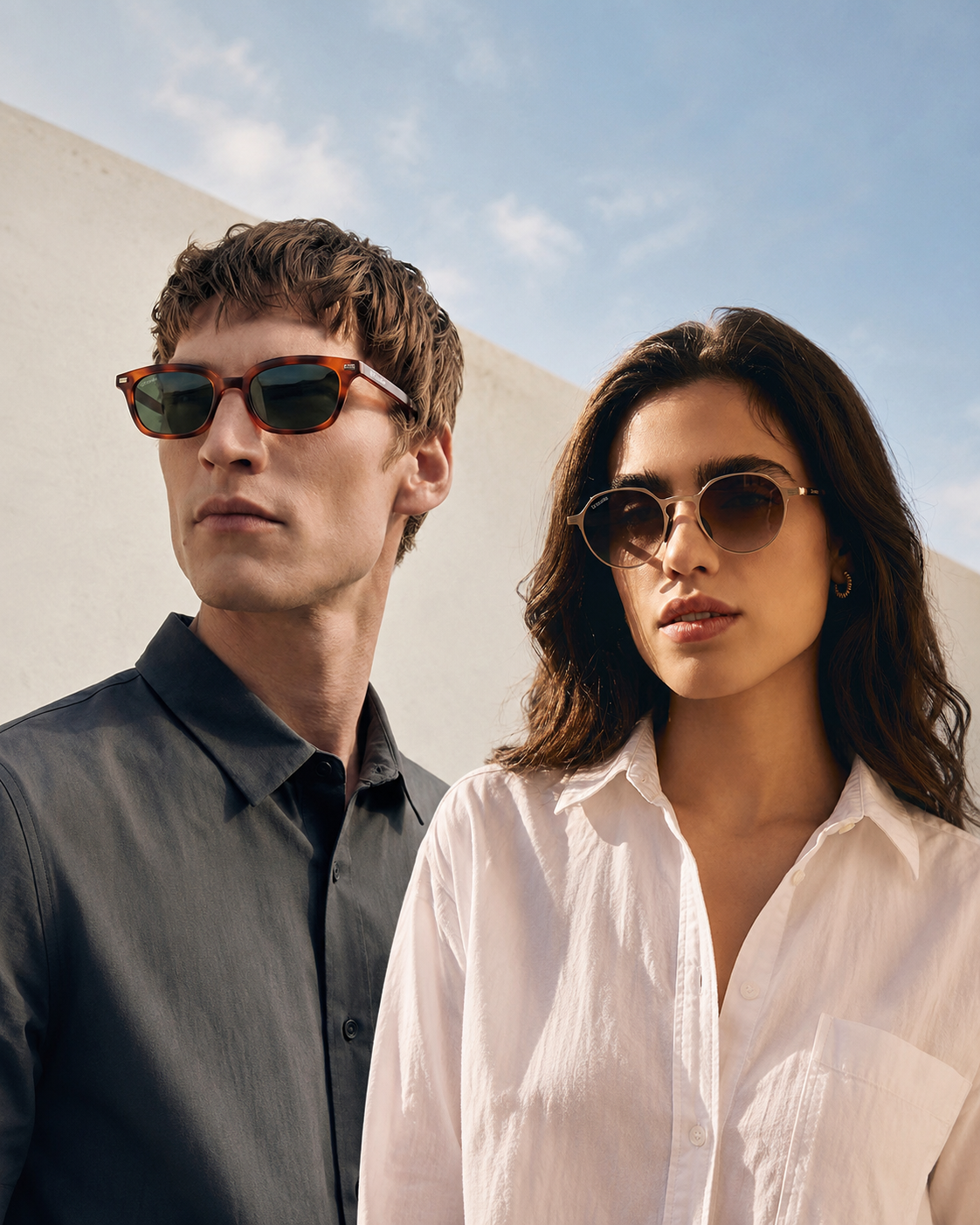
Coordinate the frame with T-shirts, shirts, knitwear or jackets. With patterned clothing, consider how prominent you want your sunglasses to be; thin rims and a bold outline create different effects even at a similar size.
Choosing by measurements and contact points
Compare the frame front, bridge and temples with sunglasses that fit you well. The frame should stay in place without persistent pressure at your temples or constant repositioning. A gender category does not define one size.
When comparing shapes, separate the outline from the size. Large round glasses create a different effect from narrow oval ones, even though both use curves. Square corners make the front more defined; a thin, transparent or low-contrast frame can soften that presence. Face shape can guide an aesthetic preference, but it does not require one particular silhouette.
Front and temple materials are another part of the decision. A metallic appearance does not identify the composition, and frame thickness alone does not establish weight. Check the stated materials and try the contact points: the bridge should support the frame and the temples should follow your head without relying on a cap to compensate for fit.
Lenses for different uses
To compare lens features, explore Polarized Sunglasses. Polarisation, a mirrored finish and a gradient describe different characteristics. Check the selected variant: colour and appearance alone cannot identify its technology or UV protection.
Notice which part of the design provides the colour. A black frame with brown lenses creates a different combination from a brown front with grey lenses. Tortoiseshell adds a mottled pattern, while a plain finish keeps colour more uniform. With patterned clothing, consider how much attention you want the glasses and your other accessories to attract.
For lenses, distinguish the visible tint, finish and stated technologies. A mirrored finish produces an external reflection, while a gradient distributes colour intensity across the lens; neither alone confirms polarisation or photochromic behaviour. Compare specifications separately for different versions of the same frame, as a colour change may also involve a different lens.
Explore related collections
Frequently asked questions
Are all aviator sunglasses teardrop-shaped?
No. Pilot inspiration can appear in the bridge or upper frame line, with curved or more angular lenses. Compare the full frame front and its proportions instead of relying on the shape name alone.
How should they rest on my nose and temples?
The bridge should support the frame without constant repositioning, and the temples should not apply persistent pressure. If they slip or feel uncomfortable, compare another size or seek help checking the fit.
Do dark lenses protect more than light lenses?
Visible darkness does not establish UV protection. Check the specifications and filter category of each variant. Choose the tint for your preferences and the stated use without equating colour with protection.
How do I identify polarised aviator sunglasses?
Look for an explicit polarisation specification for the chosen variant. Mirrored and gradient finishes do not establish this feature. The polarised sunglasses collection lets you compare it across different frames.
How do aviator and square frames differ visually?
Square frames emphasise corners; aviator designs draw attention to the bridge and the relationship between the lenses. Thickness and size matter too: compare proportions, not just shape names.
Can I clean lenses with kitchen paper?
Follow the care instructions and use a clean cloth intended for lenses. Avoid paper and rough surfaces that could damage them, and remove dirt using the recommended method before rubbing.

